

Cultural perceptions of gambling How traditions shape attitudes and practices
The Historical Context of Gambling
Gambling has been a part of human culture for centuries, with roots tracing back to ancient civilizations. Historical accounts reveal that different cultures approached gambling in varied ways, from sacred rituals to mere leisure activities. In ancient Rome, for example, games of chance were integrated into religious festivals, symbolizing both fortune and fate. This historical perspective underscores how gambling practices were often intertwined with societal values and beliefs. For a unique online experience, you can explore pin up casino, which showcases modern gaming trends.
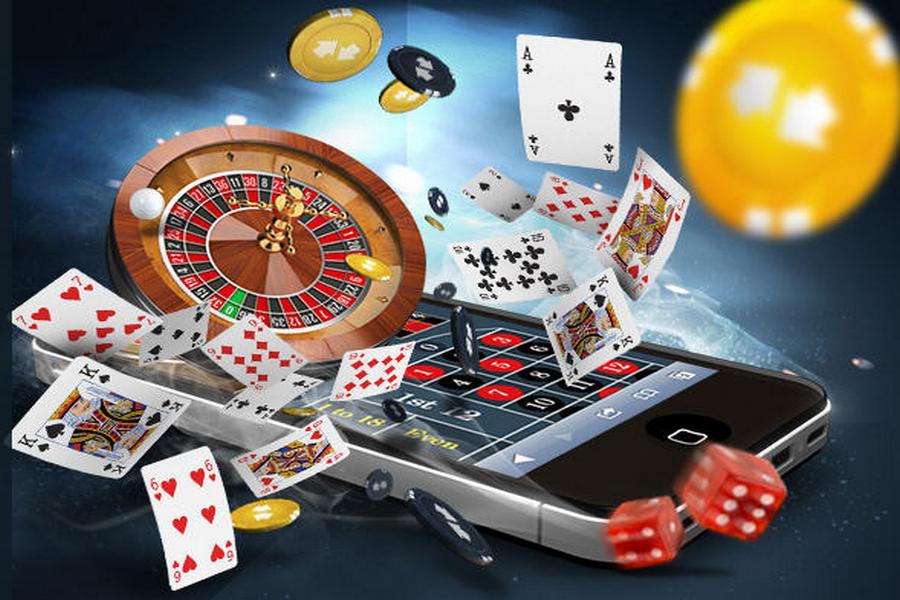
The evolution of gambling has seen its role shift significantly over time. In many societies, what was once considered a taboo has gradually been accepted, and in some cases, even celebrated. Understanding these historical contexts helps illuminate how contemporary attitudes toward gambling have been formed, shaped by past traditions and cultural narratives that continue to influence practices today.
Regional Differences in Attitudes Towards Gambling
Cultural perceptions of gambling are not uniform across the globe; they vary widely depending on regional traditions. In some cultures, gambling is seen as a form of entertainment and a social bonding activity. For instance, in parts of Asia, traditional games like Mahjong are synonymous with familial gatherings, fostering a sense of community and shared experience.
Conversely, in other regions, gambling may be viewed with skepticism or outright disapproval. In certain Middle Eastern cultures, for instance, religious beliefs strictly prohibit gambling, associating it with moral decline. These divergent perspectives showcase how regional traditions can shape attitudes toward gambling, influencing everything from legality to social acceptance.
The Role of Religion and Morality
Religion plays a critical role in shaping cultural perceptions of gambling. In many cultures, religious beliefs dictate the moral framework within which gambling is assessed. For instance, in Christianity, gambling is often frowned upon as it may lead to greed and vice. Conversely, some indigenous cultures incorporate gambling into their spiritual practices, viewing it as a means of connecting with the divine.
This religious dichotomy creates a complex landscape where gambling can be both embraced and condemned. The interpretation of religious texts and teachings significantly impacts how communities perceive gambling, often leading to distinct practices that reflect the intertwining of faith and chance.
Modern Influences on Gambling Practices
In recent years, globalization and technology have drastically transformed gambling practices around the world. The rise of online gambling platforms has made games accessible to a broader audience, reshaping traditional views. In cultures where gambling was previously restricted, online casinos are creating new spaces for participation, often altering perceptions and social norms surrounding the activity.
Moreover, marketing strategies have played a crucial role in normalizing gambling in contemporary society. Promotions, advertising, and the portrayal of gambling in media can influence public perception, leading to increased acceptance. These modern influences highlight the dynamic nature of gambling practices and how they continue to evolve in tandem with societal changes.
Pin Up Casino: A Case Study in Cultural Perceptions
Pin up casino serves as a fascinating example of how cultural perceptions influence gambling practices in the modern era. As a premier online gaming platform, it caters to diverse audiences, providing a wide range of games that reflect various cultural traditions. This approach allows for a unique blend of local customs and global gaming trends, making gambling more accessible and socially acceptable.
The user-friendly interface and enticing bonuses at pin up casino further illustrate how modern platforms can reshape attitudes toward gambling. By making the experience enjoyable and engaging, such platforms help bridge the gap between traditional perceptions and contemporary practices, contributing to the ongoing dialogue about gambling in society.